
Chasing Salt-Spray Cascades Along Scotland’s Edges
Today we explore tide-timed itineraries for Scotland’s seaside waterfall hikes, weaving routes that align your footsteps with shifting water levels and light. From cliff-top viewpoints to coves opened briefly by the falling sea, we’ll connect safe timing, local insight, and soulful moments that turn roaring drops and foaming shores into unforgettable days outside.
Tides As Your Timekeeper
Decoding Local Tide Tables
Choose a nearby reference port and note both high and low times, acknowledging that headlands and inlets can shift conditions by minutes or even more. Cross-check a second source, then add buffers. Mark slack water windows for beach traverses, and jot conservative turnaround points into your map so curiosity never outruns caution.
Spring Versus Neap Strategies
During spring tides, lows are lower and highs are higher, which can briefly reveal ledges below sea cliffs, yet also hurry the water back with surprising speed. Neaps bring gentler ranges, useful for slower wanderers. Align ambitious coves with spring lows and reserve cliff-top viewpoints, longer lenses, and leisurely picnics for neap cycles.
A Practical Rule Of Twelfths
When precision is hazy, the rule of twelfths helps visualize the tide’s rise and fall each hour between extremes. It reminds you the middle hours change fastest, urging earlier departures and wider margins. Pair this mental model with observed swell, wind direction, and local advice, then favor daylight buffers over daring cutoffs every time.
Routes Where Ocean Meets The Fall
Some cascades leap straight to the sea, others tumble within earshot of gulls and kelp. Conditions change by season and storm, yet joy grows from flexible plans and the willingness to detour. Here are evocative paths where basalt, brine, rain, and gravity compose grand scenes that reward patience, sturdy boots, and respectful wandering.



A Long Weekend That Moves With The Moon
Let the calendar bend to the tides instead of forcing the coast into fixed hours. Consider a ferry-first Friday, a westward island Saturday, and a wind-aware Sunday on towering cliffs. By anchoring each day to a reliable low, you’ll catch open coves, calmer spray, warm light, and a relaxed pace that welcomes serendipity.
Begin where currents race like a river running backward beneath iron and stone. Study charts to find the best ebb, then watch standing waves spool and unspool as cormorants slice past. Stretch legs on nearby coastal paths, settle into town for seafood, and tweak tomorrow’s island timings over a map spread beside steaming mugs.
Catch an early ferry, then drive a ribbon of road toward cliff-lined cascades and westward sands. Aim your main walk at the day’s lowest water, reserving explorations of upper pools or viewpoints for higher states. Leave room for café stops, shelduck sightings, and a surprise shaft of sun gilding wet rock just before late lunch.
Aim for dawn or late afternoon, guided by a convenient low that eases shore wanderings beneath basalt. Park courteously, follow fenced paths, and linger through gusts until the air stills. If swell is heavy, choose safer vantage points, then reward patience with slow-shutter arcs, kelp-dotted foam, and the distant thunder that humbles every heart.

Reading Swell And Wind, Not Just Numbers
Low tide means little when long-period swell is marching in or gusts are tearing spray sideways. Scan marine forecasts, note wind direction versus coastline, and visualize how waves refract into bays. If conditions roar, elevate your viewpoint and shorten exposure times, turning roaring chaos into texture-rich studies from a safe, comfortable perch.
Cliff Edges, Fences, And Respectful Routes
Stick to established paths, slip through gates carefully, and keep dogs on leads near grazing stock and ground-nesting birds. Fences protect you as much as fields; avoid hopping them for shortcuts. Where erosion narrows tread, turn around before nerves fray. The best photographs do not require a bootprint on crumbling brink or fragile turf.
Turnaround Times And Check-Ins
Agree on a latest turnaround time that ignores optimism and honors daylight. Share your route and tide plan with someone, then text updates at key points. If a cove access feels marginal, skip it and save the idea. A safe retreat today becomes a confident, joy-filled return when sea and sky finally shake hands.
Photography And Fieldcraft In Salt Air
Salt spray, shifting light, and brooding rock reward prepared imaginations. Carry lens cloths in sealed pockets, use a hood to tame droplets, and bring an ND filter for silky motion without losing cliff texture. Scout compositions in high tide, then revisit at low, embracing change as your collaborator instead of something to fight.
Golden edges kiss basalt warmly when clouds thin, while blue hours fold sea and sky into a moody blend. Start with faster shutters to freeze wind-driven spray, then slow deliberately for ribbons that echo tide pull. Shield the lens between frames, and welcome backlight arcs when wind eases, catching halos you will remember.
Use a simple rain cover, keep microfiber cloths dry in zip bags, and swap batteries quickly with hands warmed in pockets. Brush sand away before changing lenses, and never set your bag on saturated turf near edges. Small rituals preserve trust in tools, freeing your focus for composition, story, and the hush between waves.
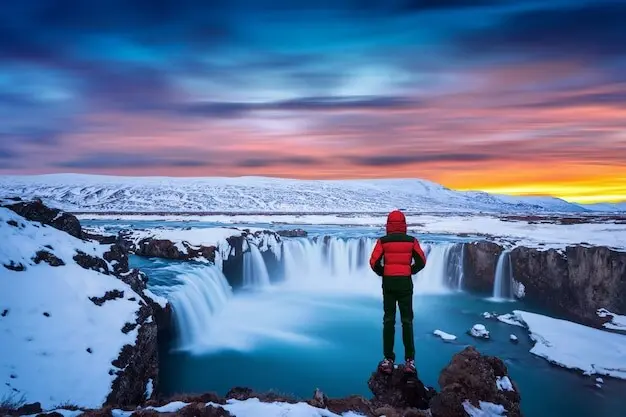
Let a person in a bright jacket stand safely back to frame magnitude without drama. Include seaweed gloss, foam lines, and gull arcs to guide the eye. Work foreground textures at low tide, then layer cliff geometry behind. Respecting distance from hazards paradoxically broadens creative options, inviting viewers into the space your patience discovered.

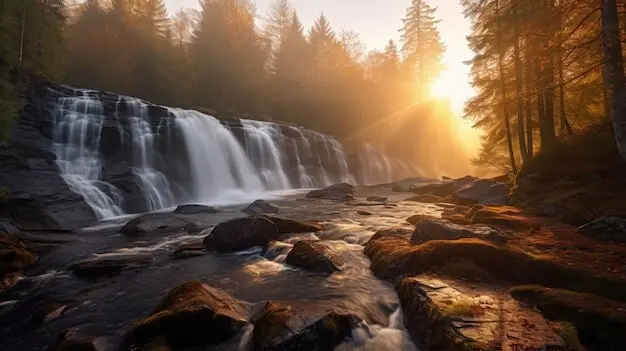
A Cuppa Above The Cliffs
Once, a low arrived late and clouds arrived early. A crofter waved us to a shed, poured tea in cracked mugs, and traced a safer detour with a boot tip in damp dust. We waited for wind to tire, then found the view wide open, grateful for warmth, patience, and community stitched into weather.
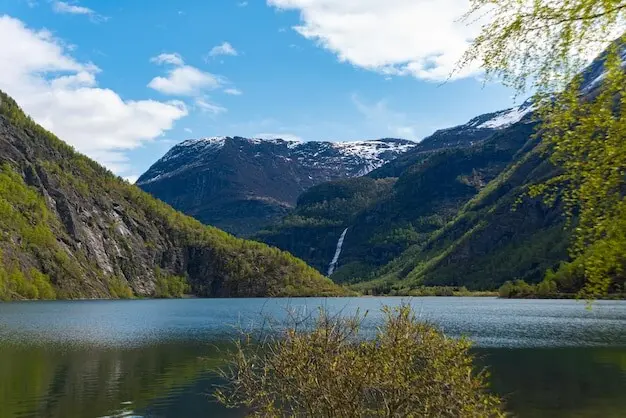
What Names Whisper
Listen for eas and fors across maps: one tongue singing falls, another echoing fjords. These syllables point to meeting places of water and rock, hinting at terrain and lineage. Saying them aloud becomes a small ceremony, reminding walkers that every careful step enters a story already flowing, braided with tides, storms, and time.